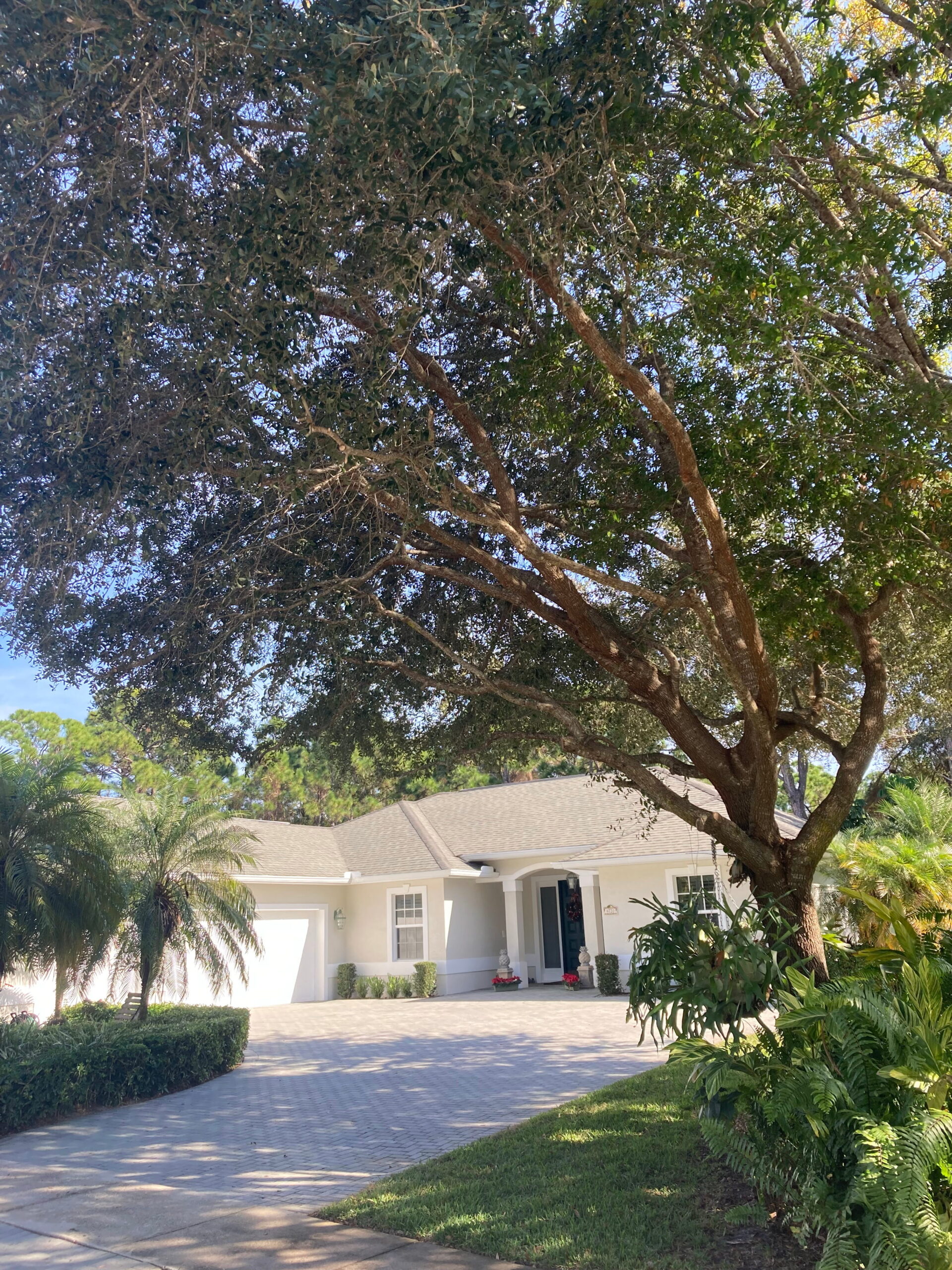
If you live in Florida, palm trees are part of daily life. They line streets, frame homes, and define the look of our neighborhoods. As the owner of Optimum Tree Care, this is one of the most common questions I hear from homeowners across the Treasure Coast.
The short answer is this: sometimes yes, sometimes no. It depends on the type of palm, where it is located, and your local city or county rules.
Let’s break it down in plain language.
Why Palm Trees Are Treated Differently in Florida
Palm trees are not considered traditional hardwood trees under Florida law. Botanically, palms are grasses, not true trees. That matters because many state-level tree protection laws focus on hardwood species like oak, mahogany, or cypress.
However, local governments still have the authority to protect palms through their own ordinances. That is where most homeowners get tripped up.
When It Is Illegal to Cut Down a Palm Tree
You can run into legal trouble if any of the situations below apply.
1. The Palm Is Protected by Local Ordinance
Many Florida cities and counties protect certain palm species, especially native ones. The most common example is the Sabal palm, also known as the cabbage palm. It is Florida’s state tree and often protected.
Some areas require:
- A permit before removal
- An arborist or tree professional evaluation
- Proof the palm is dead or hazardous
Cutting first and asking questions later can lead to fines.
2. The Palm Is on Public or HOA Property
If the palm is not fully on your private property, you cannot remove it without permission.
This includes:
- Street right-of-ways
- Community entrances
- Shared green spaces
- HOA-controlled lots
HOAs often have stricter rules than cities.
3. The Palm Is Considered a Heritage or Specimen Tree
Some cities classify large or mature palms as specimen trees based on height or trunk diameter. These almost always require approval before removal.
When It Is Usually Legal to Remove a Palm Tree
In many cases, removal is allowed.
Dead or Dying Palms
If a palm is completely dead or dying beyond recovery, most municipalities allow removal. Some still require documentation or photos before work begins.
Dangerous or Storm-Damaged Palms
Palms leaning heavily, splitting at the trunk, or damaged after hurricanes often qualify as hazards. Safety always comes first.
Palms Not Listed as Protected
Many ornamental palms are not protected at all. These are often planted for landscaping and can usually be removed without permits.
Do You Need a Permit to Cut Down a Palm Tree in Florida?
There is no single statewide answer.
Permit rules depend on:
- City or county code
- Palm species
- Location on the property
- Tree size and condition
Some areas require permits for any palm removal. Others only regulate specific species.
This is why guessing can be expensive.
Common Mistakes Florida Homeowners Make
Over the years, I have seen the same issues again and again.
- Assuming palms are never protected
- Trusting outdated advice from neighbors
- Removing a palm during renovations without checking permits
- Hiring unlicensed crews who do not verify local rules
Fines, stop-work orders, and replanting requirements are real outcomes.
How Optimum Tree Care Helps You Stay Legal
At Optimum Tree Care, we handle this process the right way.
Before any palm removal, we:
- Check local tree ordinances
- Identify the palm species
- Confirm permit requirements
- Document hazardous conditions if needed
If a permit is required, we guide you through the steps so there are no surprises.
Our goal is simple. Protect your property, your safety, and your wallet.
Final Answer: Is It Illegal to Cut Down a Palm Tree in Florida?
It can be.
- Some palms are protected
- Some locations require permits
- Some removals are completely legal
The only safe answer is to verify before cutting.
If you are unsure about a palm tree on your property, get professional guidance first. A quick check can save you weeks of headaches and unnecessary fines.