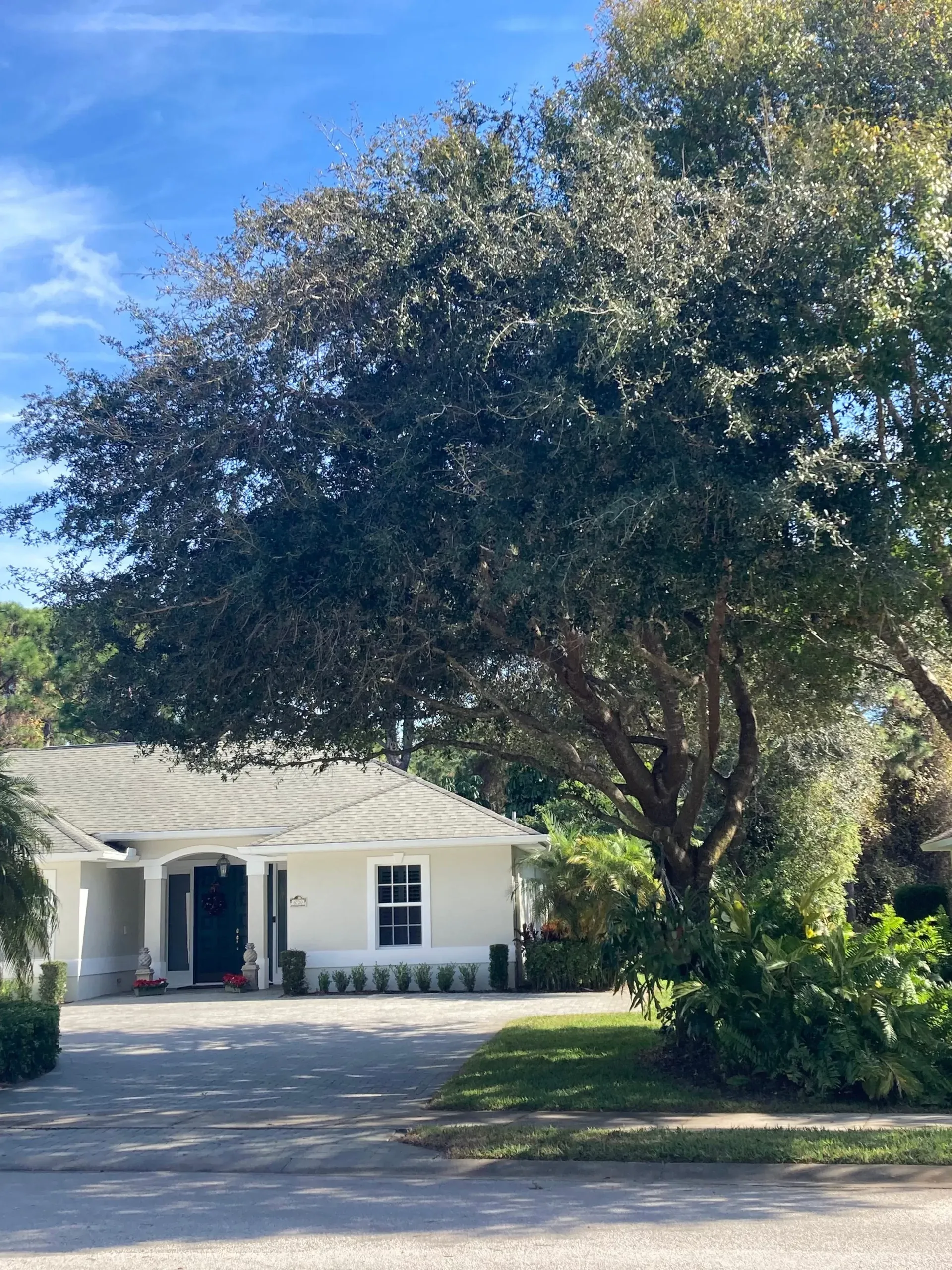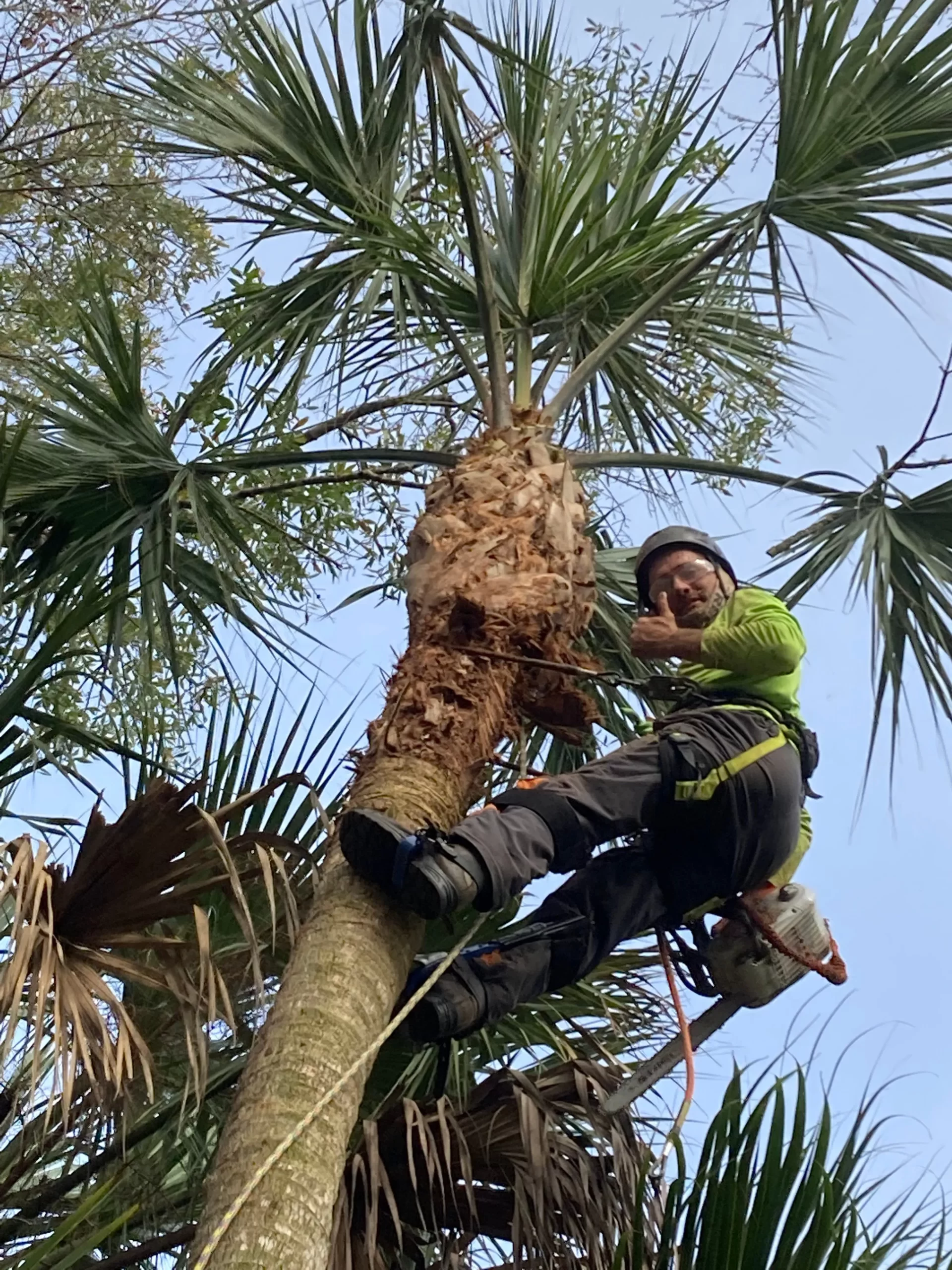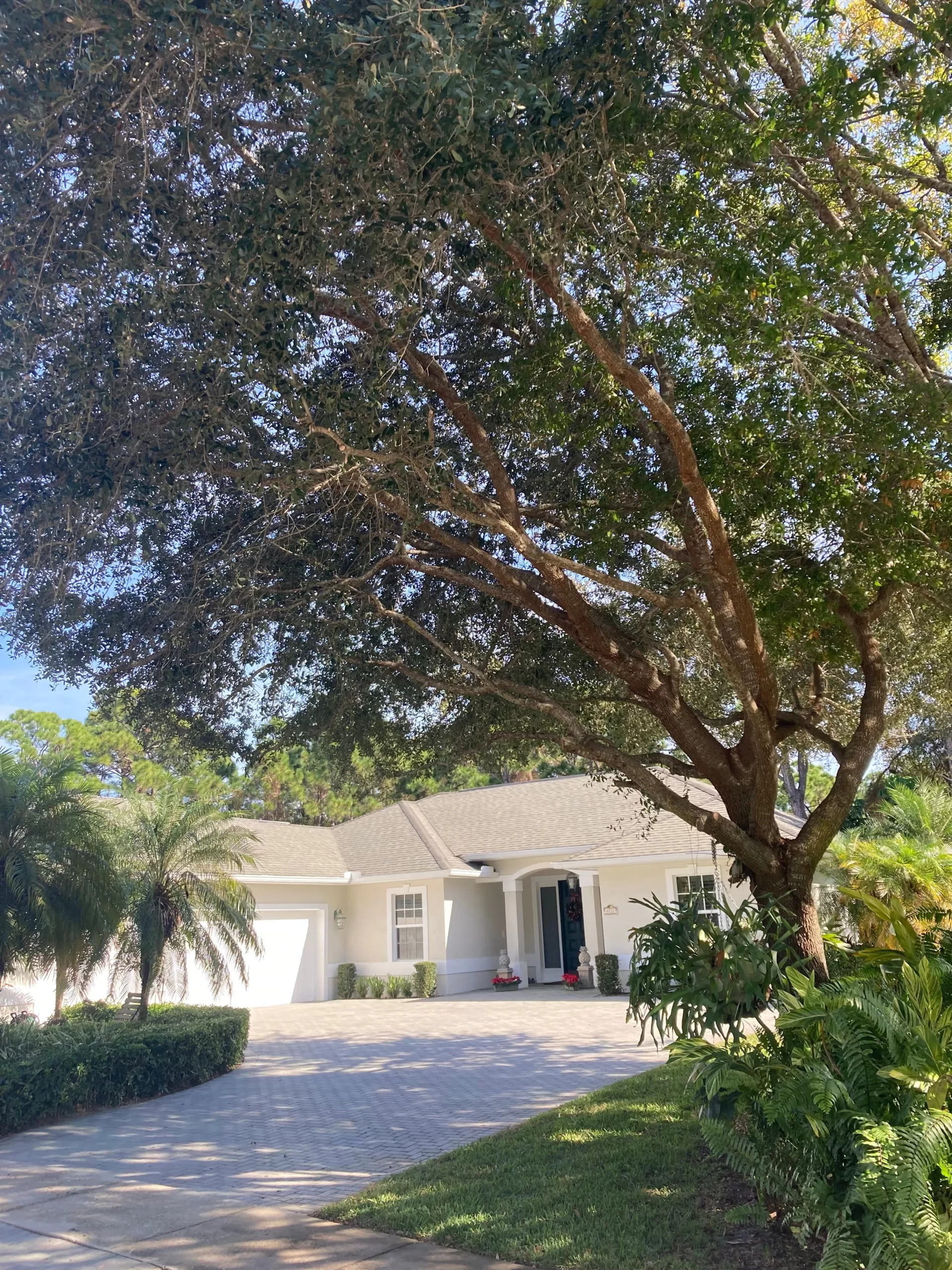
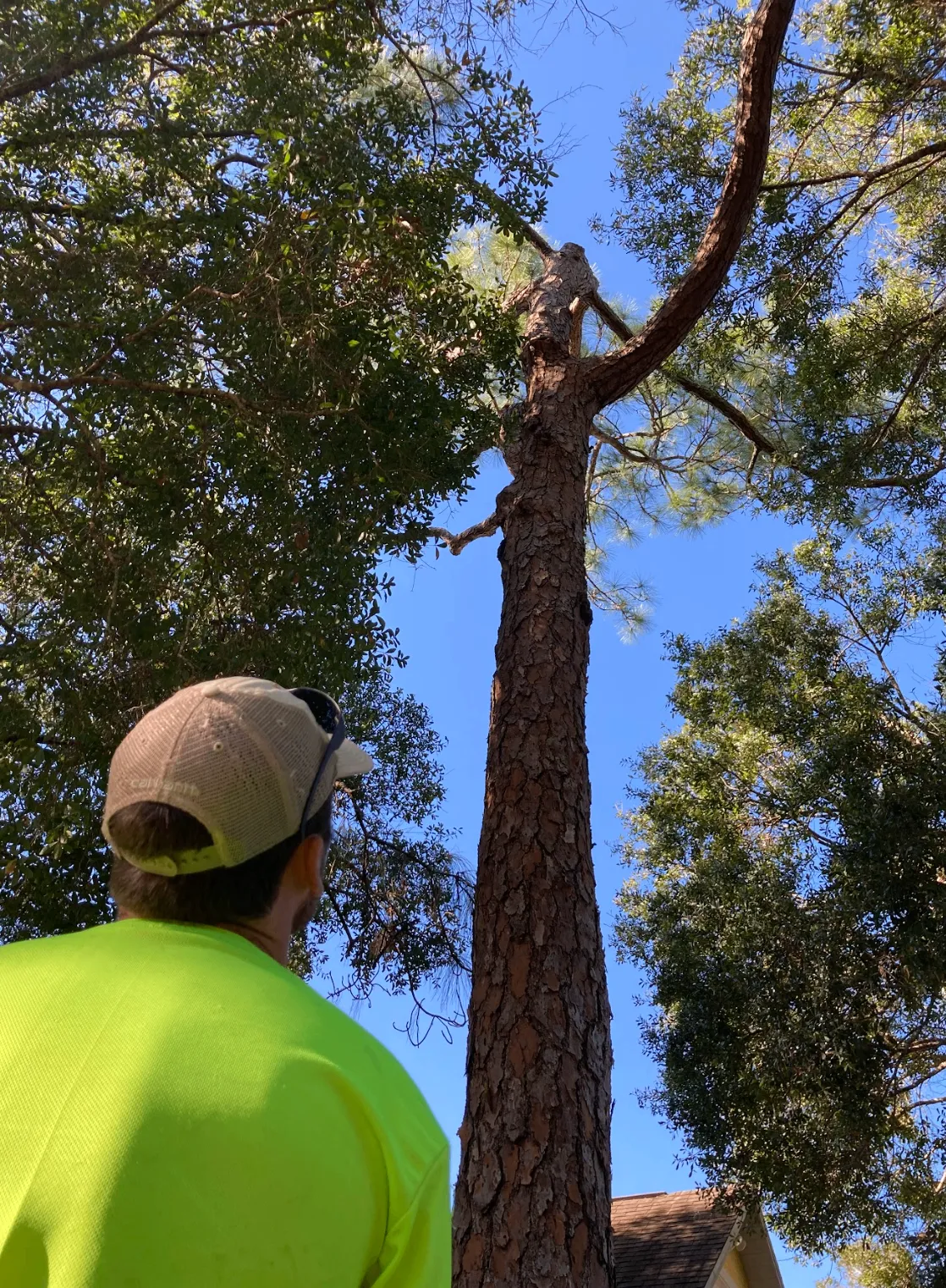
Most homeowners in Vero Beach love their oak trees. And honestly, we get it. A big, mature live oak gives amazing shade, adds curb appeal, and makes your yard feel like home. But after years of working on properties across Indian River County, we can tell you this: oaks growing too close to a house cause more problems than most people realize.
We are not saying you need to cut every oak down. Far from it. But you do need to understand the risks, watch for warning signs, and take care of these trees the right way.
Oaks Grow Bigger Than Most People Plan For
Here is something we see all the time in Vero Beach neighborhoods. A homeowner plants a small laurel oak or live oak about ten feet from the house. It looks great for a few years. Then it really starts growing.
Live oaks can spread 60 to 80 feet wide. Laurel oaks grow fast and tall. Within 15 to 20 years, heavy branches hang right over your roof. Roots push into your foundation, driveway, or plumbing lines.
By the time most homeowners notice the problem, the tree is massive. And removing or trimming a large oak near a structure is not a simple weekend job. It takes professional equipment and careful planning to avoid property damage.
If you have an oak within 15 feet of your home, it is worth having a professional look at it sooner rather than later. Our tree trimming and pruning services can help keep growth und er control before it becomes a real problem.
Root Systems That Cause Hidden Damage
Oak roots are aggressive. Live oaks especially send out wide, shallow root systems that can stretch well beyond the canopy line. In the sandy soil we have here in Vero Beach, those roots spread out even more because they are searching for moisture and nutrients near the surface.
What does that mean for your property?
Roots can crack driveways and sidewalks. They can lift patios and pool decks. In some cases, they work their way into older plumbing lines and cause blockages. We have seen foundations shift on older homes in Indian River County where large oaks were planted way too close decades ago.
The tricky part is that most of this damage happens slowly, underground, where you cannot see it. By the time cracks show up on the surface, the root intrusion has been going on for years.
Storm Season Makes Everything Worse
If you have lived on the Treasure Coast for any amount of time, you know what hurricane season can do. And oaks near homes are one of the biggest risks when a major storm rolls through.
Live oaks are tough trees. They handle wind better than most species in Florida. But they are not bulletproof. Heavy, extended limbs that hang over a roof can snap under sustained winds or the weight of rain. And if a large limb drops on your roof during a storm, you are looking at serious structural damage.
Laurel oaks are a bigger concern. They grow fast, but their wood is softer and weaker. They are more likely to split or fail during a tropical storm or hurricane. We see laurel oak failures every single storm season across Vero Beach.
This is exactly why hurricane preparation matters so much. Getting heavy limbs trimmed back and removing dead wood before June can make a huge difference when a storm hits.
Dead Branches You Cannot See From the Ground
One thing homeowners almost never catch on their own is interior deadwood. From the ground, your oak might look perfectly healthy. Full canopy, green leaves, no obvious problems.
But up inside the canopy, there are often dead branches that have been sitting there for years. These are the ones that fall first in a storm. Sometimes they fall on a calm day just from their own weight.
Over the years, we have pulled dead limbs out of oaks in Vero Beach that were six to eight inches thick. Hanging right above roofs, lanais, and driveways. The homeowner had no idea they were there.
Regular tree trimming every two to three years keeps deadwood cleared out and reduces the chance of a surprise branch drop.
Signs Your Oak May Already Be a Problem
Here are a few things to watch for if you have a large oak close to your home:
Branches touching or hanging directly over your roof. Any contact point can damage shingles and trap moisture that leads to rot.
Cracks in your driveway, walkway, or foundation near the base of the tree. This usually points to root pressure.
Mushrooms or fungal growth at the base of the trunk or on large roots. This can signal internal decay that weakens the whole tree.
Leaning that was not there before. If your oak has started to lean toward the house, that is a serious concern that needs professional evaluation right away.
A hollow or soft spot in the trunk. Tap on it. If it sounds hollow, the interior wood may be rotting.
If you notice any of these, do not wait. Contact us for an honest assessment. Some of these problems are manageable with proper care. Others may mean the tree needs to come down before it causes major damage.
When Removal Is the Right Call
We never recommend removing a healthy tree if we do not have to. Oaks are valuable. They add property value, provide shade that lowers energy bills, and they are part of what makes Vero Beach neighborhoods look the way they do.
But sometimes removal is the safest option. If the tree is structurally compromised, leaning toward the house, or so close that roots are damaging your foundation, keeping it is not worth the risk.
We have worked with homeowners who waited too long, and a storm made the decision for them. That usually means emergency damage, higher costs, and a much bigger mess to clean up.
Professional tree removal done on your schedule is always safer and cheaper than emergency removal after a failure.
Stump Grinding After Removal
If an oak does need to come down, do not leave the stump. Oak stumps in Vero Beach attract termites and other insects. The root system can also continue to send up new shoots for years, and the decaying wood can become a tripping hazard.
Stump grinding takes care of the problem cleanly. We grind the stump below grade so you can fill it in, plant grass, or use the space however you want.
Take Care of Your Oaks the Right Way
The goal is not to fear your oak trees. The goal is to manage them properly so they stay healthy and your home stays safe. That means regular trimming, keeping an eye on growth patterns, and acting early when you spot warning signs.
If you have oaks near your home anywhere in Vero Beach or across Indian River County, we are happy to come take a look and give you an honest opinion. No pressure, no scare tactics. Just real advice from a local tree care team that works with these trees every day.
Give Optimum Tree Care a call at (772) 228-1161 or reach out through our website to set up a time.